

The Golan 59 Years Later: A Land Reclaimed, A Story That Never Stopped
I live here now. Katzrin, right in the heart of the Golan, is home. And I can tell you that there is nothing ordinary about waking up in this place every morning, knowing what it took to make that possible.
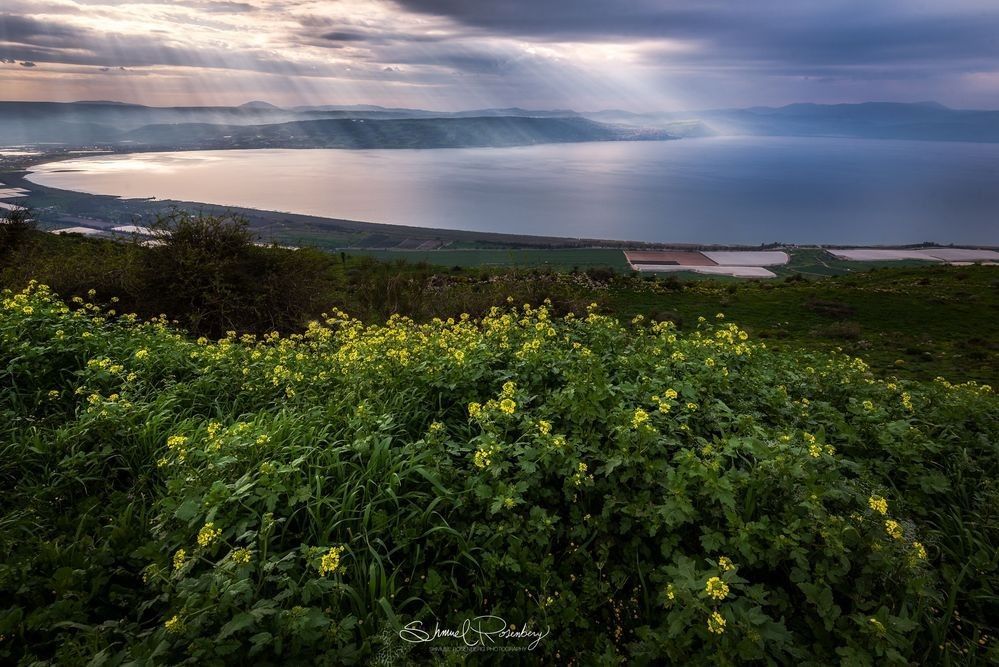
The Golan isn't just spectacular landscape, though it absolutely is that. The Haon Cliffs in the southern Golan drop sharply to overlook the Kinneret below, and on a clear morning the view stretches from Mount Hermon in the north all the way to the Arbel Cliffs on the western shore of the lake, with the mountains of the Galil rising behind them. I was on a travel security job a few years back when the winter clouds broke late in the afternoon and light rays came through and lit up Tiberias across the water, and I remember standing there trying to do justice to that scene with my camera and thinking that this is the kind of place that makes you understand why people have fought over this land for thousands of years. The Haon area is where Eli Cohen, Israel's legendary spy who infiltrated the highest levels of the Syrian military in the 1960s, would tour with Syrian officers — memorizing positions, identifying firing points, feeding intelligence back to Israel that proved invaluable when the war finally came. Before 1967, those same cliffs were used to fire down on the Israeli communities in the valley below. The reserve founded in the years after the Six Day War sits on ground that carries all of that history in it, and the contrast between what this place was then and what it is now — families hiking, kids swimming in natural springs, photographers chasing the afternoon light — is something I never take for granted.
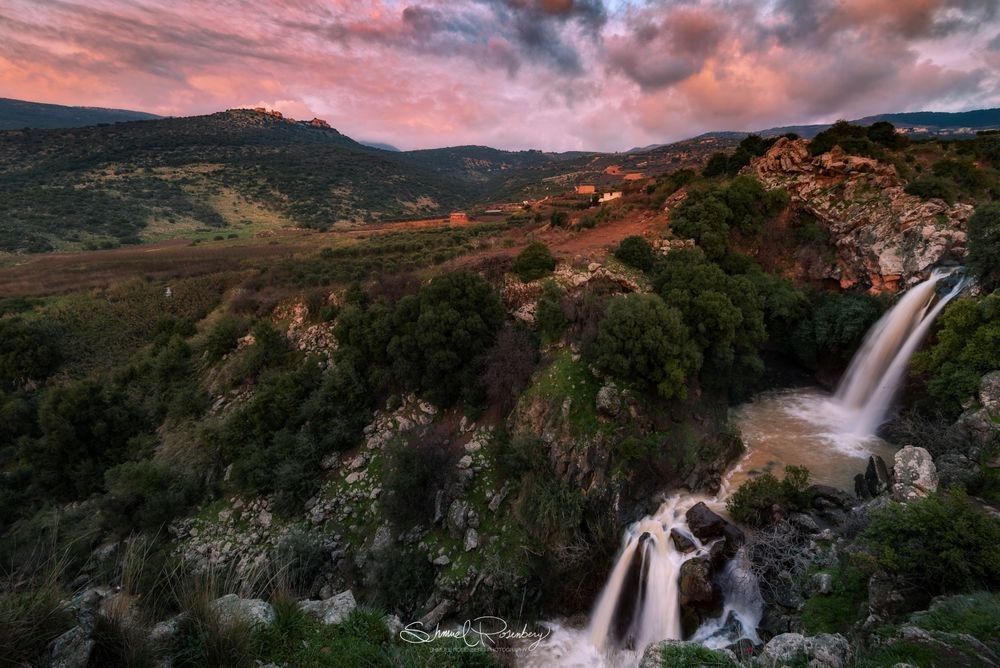
Further north, the Sa'ar riverbed runs down from the slopes of Mount Hermon and for a few months every winter, when the snowmelt comes, it becomes one of the most spectacular natural scenes in the country. Turquoise water roaring through basalt canyons, waterfalls dropping into pools, and above all of it, Nimrod's Fortress perched on the ridge — a Crusader castle from the 12th century that has been sitting on that mountain watching every army that has ever moved through this corridor. I've made the drive up to the Sa'ar more times than I can count trying to catch it at the right water levels and the right light, and when it finally came together — the falls roaring, the clouds turning pink, the last orange sunlight catching the walls of the fortress above — it was one of those moments where you put the camera down for a second before you shoot because you want to actually absorb what you're seeing.
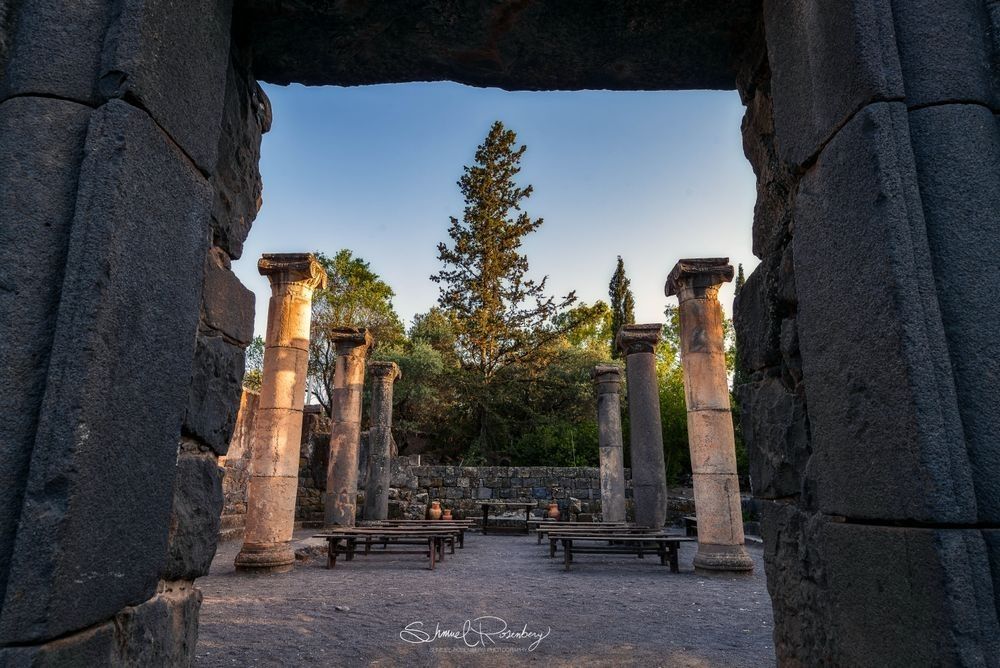
The Talmudic village at Park Katzrin, right here in my city, is another layer entirely. Katzrin itself sits on the ruins of a Jewish village from the Talmudic period, 1,600 years ago, and the park preserves and reconstructs the way life was lived here in the generations after the destruction of the Second Temple. The synagogue at the center of the village is magnificent — ancient basalt stonework with carved decorations that have survived sixteen centuries — and I had to work hard to photograph it the way I wanted to. It's usually covered by a large protective tarp, but I found out they'd be removing it for a week for a special event, drove the three hours up, got after-hours access at golden hour, and walked away with what became the centerpiece of my first ever exhibit, which opened right there at the park. Standing in that reconstructed village, next to a wine press that still works the same way it did 1,600 years ago, you feel the continuity of Jewish life on this plateau in a way that's hard to describe. The people who lived here and built this synagogue and pressed their grapes in this courtyard were part of the generation of sages whose discussions fill the pages of the Talmud. This was their home. Now it's mine.
All of this is what I think about when I watch what happened this week. The fighting with Iran — played out largely through Hezbollah in the north, right here in the region I live in and photograph and call home — escalated sharply this past week, with Iran launching missiles and the IDF striking back hard. And then I looked at the Hebrew date. June 8th, 2026 was the 23rd of Sivan, 5786. The very same date that appears in Megillat Esther — the day Mordechai's decree was issued throughout the Persian empire giving the Jewish people permission to stand up and fight back against those who intended to destroy them. Persia. Modern-day Iran. The same enemy, the same date on the Jewish calendar, playing out in real time 2,500 years later with Israeli jets and Iranian missiles over the same corner of the world.
I don't believe in coincidences when it comes to the Jewish calendar and Jewish history. There is something that happens over and over again in this country's story where the ancient and the immediate collapse into a single moment, and this week was one of those moments. The 23rd of Sivan was the day we were given permission to fight. And 59 years ago on these very dates, a generation of Israeli soldiers climbed up onto this plateau and did exactly that.
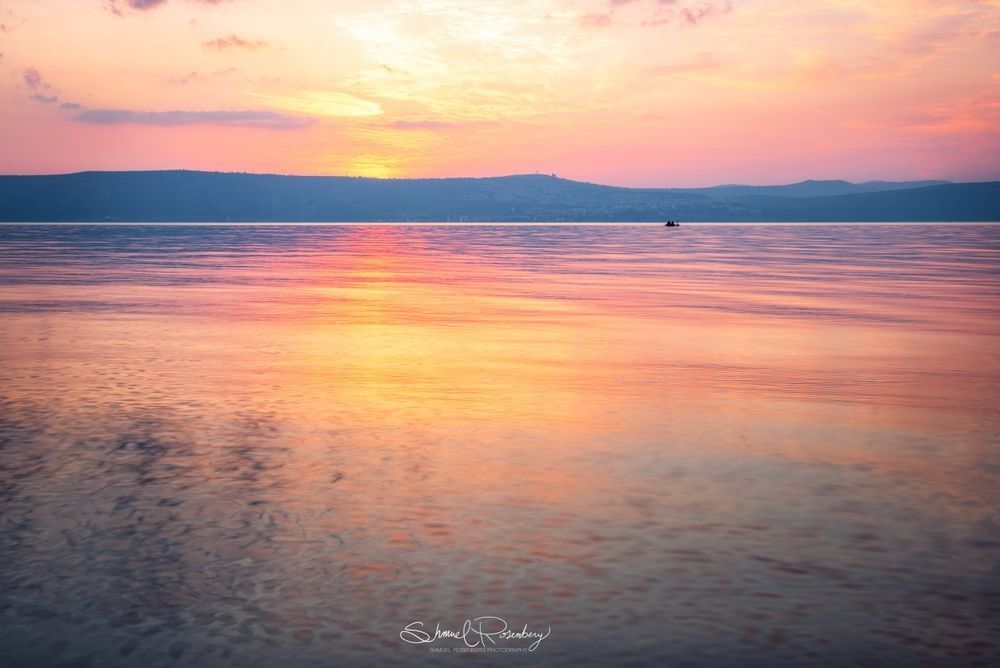
The Golan is quiet today. The basalt fields are covered in wildflowers, the streams are still running with late-season snowmelt from Hermon, and from the Haon Cliffs you can see the full length of the Kinneret shimmering in the afternoon heat. It is one of the most beautiful places I have ever stood with a camera, and I live here. Every photograph I take on this plateau is my way of honoring what was given to us 59 years ago and what is still being defended today.
If any of this resonates with you and you'd like to see more of my work from the Golan and across Israel, I'd love to hear from you. Reach me directly at shmuelshots@gmail.com